Learn how Aluminum Foundry delivers the growing needs of aluminum casting industries
Wiki Article
The Duty of Aluminum Foundry in Enhancing Production Efficiency Across Diverse Sectors
Aluminum foundries serve a vital function in modern manufacturing by enhancing manufacturing performance across numerous markets. They harness progressed techniques and sustainable techniques to decrease and enhance workflows waste. The impact of Aluminum includes sectors such as vehicle, aerospace, and construction, where its unique homes improve efficiency. Nonetheless, the obstacles dealt with by these factories can form their future. Understanding these characteristics reveals a complicated landscape of development and adjustmentThe Significance of Aluminum in Modern Production
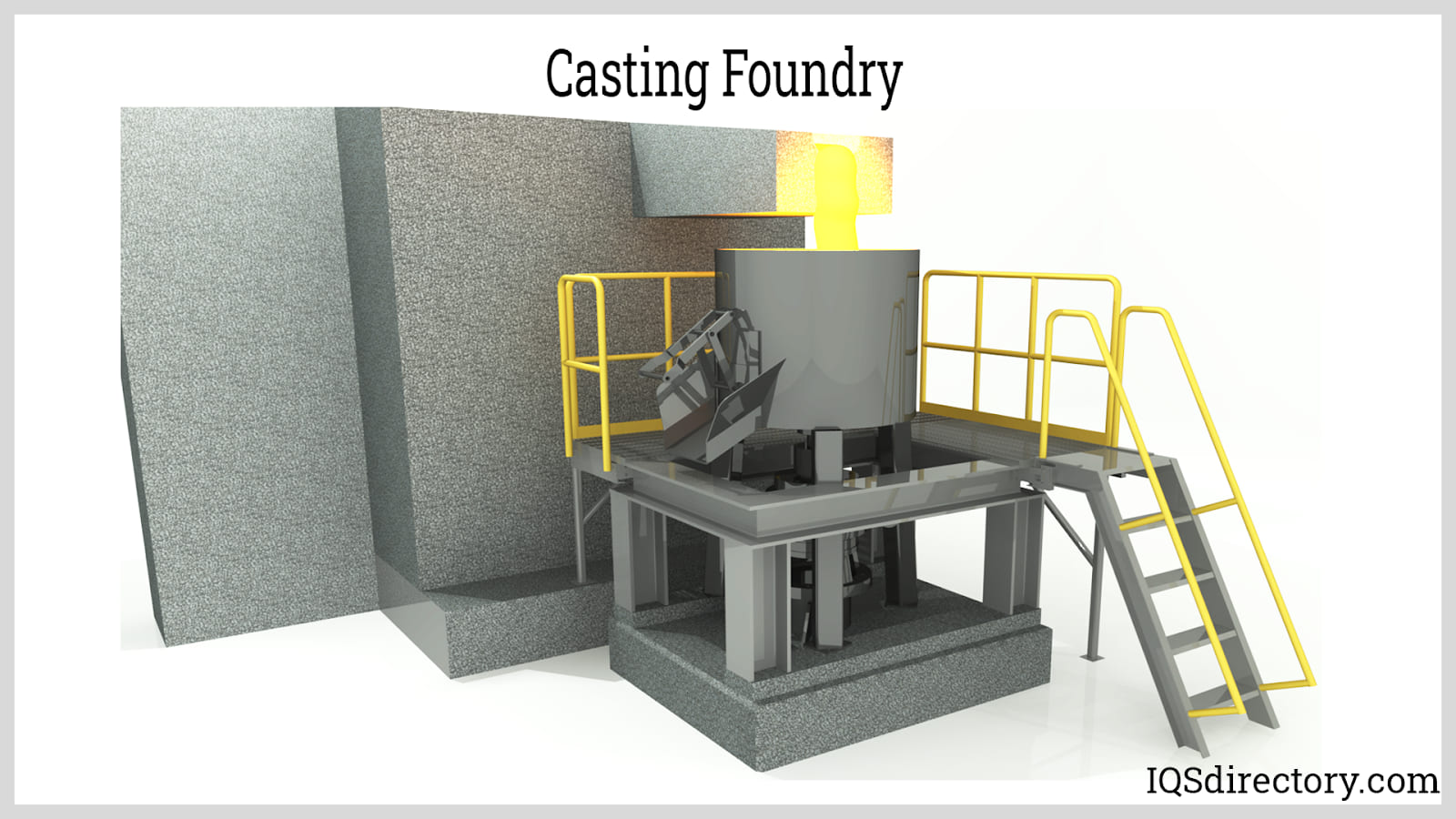
The convenience of Aluminum enables a variety of construction techniques, including machining, extrusion, and casting. Its recyclability better emphasizes its relevance, as recycled Aluminum calls for significantly less energy to produce than new Aluminum, straightening with modern environmental objectives. As industries continue to progress, Aluminum's one-of-a-kind attributes and flexibility ensure it continues to be a vital material for driving advancement and effectiveness in producing processes. Its payments prolong beyond functionality, sustaining economic growth and sustainability initiatives across the globe.
Trick Procedures in Aluminum Foundries
In Aluminum foundries, several essential procedures are necessary for attaining high production effectiveness. Melting and alloying strategies, together with molding and casting approaches, play an important duty in shaping the final product. Additionally, applying rigid quality assurance gauges assurances that the output fulfills industry criteria.Melting and Alloying Methods
Although melting and alloying are fundamental processes in Aluminum factories, their effectiveness greatly impacts general manufacturing top quality and expense. The melting process normally entails the usage of gas-fired systems or electrical heating systems, which enable accurate temperature control. This guarantees that Aluminum reaches its perfect melting point, decreasing power usage. Alloying, on the other hand, entails the addition of certain components to accomplish preferred material homes, such as stamina and corrosion resistance. Techniques such as pre-alloying and in-situ alloying are generally used to improve consistency and reduce waste. Mindful tracking during both melting and alloying stages is crucial, as it directly influences the product attributes and assurances compliance with market requirements, ultimately bring about improved production performance throughout numerous industries.Molding and Casting Methods
A range of molding and casting approaches are crucial to the performance and quality of Aluminum factories. Among these techniques, sand casting, pass away spreading, and irreversible mold casting stand out as a result of their distinct benefits. Sand casting provides versatility for complex shapes and is cost-effective for low production quantities. Pass away casting, recognized for its precision and repeatability, is suitable for high-volume production, supplying excellent surface area coatings and dimensional accuracy. Permanent mold and mildew spreading combines the advantages of both sand and pass away casting, enabling better mechanical residential or commercial properties and lowered material waste. Each approach offers specific applications across varied fields, enabling Aluminum factories to enhance manufacturing processes, decrease preparations, and meet differing customer demands successfully.Quality Control Steps
Guaranteeing high-grade Aluminum products requires rigorous quality assurance procedures at every stage of the Foundry process. These actions begin with the option of resources, where thorough screening for pollutants and composition is essential. When products are authorized, inspections during the molding and casting phases monitor dimensions and surface area top quality to avoid issues. Advanced strategies, such as non-destructive testing, are used to detect inner imperfections that might compromise item honesty. In addition, process control systems continuously monitor temperature and alloy structure to maintain uniformity. Final evaluations, consisting of mechanical residential property testing, validate that the items satisfy industry requirements. By carrying out these strict quality assurance methods, Aluminum factories enhance production effectiveness and ensure the dependability of their products across diverse sectors.Technologies Driving Production Performance
Developments in Aluminum factories are transforming production effectiveness through innovative spreading methods and the integration of automation and robotics. These growths not only enhance operations yet additionally enhance accuracy and decrease waste. In addition, sustainable product innovations are contributing to more eco friendly techniques within the market.Advanced Casting Techniques
Many innovative casting strategies are changing the Aluminum Foundry sector, significantly boosting production effectiveness. Approaches such as die casting, sand casting, and investment spreading have actually evolved, permitting boosted accuracy and reduced waste. Advancements like computer-aided layout (CAD) and simulation software allow foundries to optimize mold style and forecast potential problems prior to manufacturing, minimizing expensive errors - Aluminum Foundry. Furthermore, the usage of alloy development methods improves product residential properties, leading to products that satisfy rigid efficiency needs. Strategies such as quick prototyping and 3D printing are additionally obtaining traction, facilitating faster turn-around times for intricate geometries. These innovations not just streamline production processes however likewise contribute to sustainability initiatives by lowering energy consumption and boosting material use in the Aluminum spreading market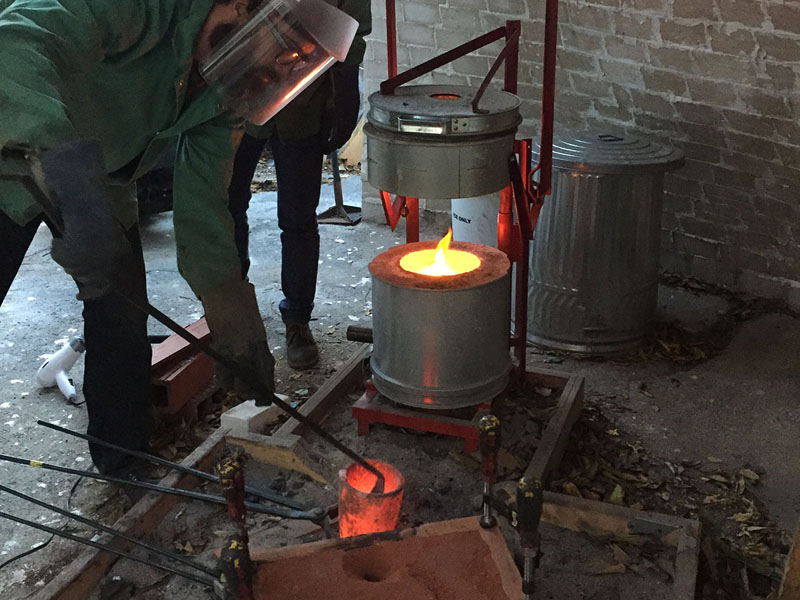
Automation and Robotics Assimilation
The integration of automation and robotics in the Aluminum Foundry sector is changing manufacturing effectiveness. By employing innovative robotic systems for jobs such as molding, putting, and completing, foundries are markedly lowering labor costs and minimizing human mistake. Automated processes streamline assembly line, permitting faster turn-around times and constant top quality in produced components. Additionally, the implementation of real-time tracking systems enables drivers to track performance metrics and maximize process proactively. Robotics additionally improves safety and security Aluminum Foundry by taking over unsafe tasks, therefore decreasing office mishaps. As the modern technology remains to advance, the Aluminum Foundry market is positioned to leverage these advancements better, making sure competition and responsiveness in an increasingly requiring market.
Lasting Material Innovations
As the Aluminum Foundry market seeks to improve manufacturing efficiency, sustainable product innovations are emerging as a crucial element. These advancements consist of the advancement of environment-friendly alloys and making use of recycled Aluminum, substantially decreasing the ecological impact of manufacturing processes. Advanced strategies, such as additive manufacturing and green spreading approaches, make it possible for foundries to decrease waste while improving product properties. Additionally, the combination of bio-based binders and layers leads to healthier functioning settings and decreases exhausts. The fostering of life process assessment devices further aids foundries in identifying sustainability chances, lining up with global trends towards liable production. Consequently, these developments not just improve manufacturing efficiency yet additionally place the Aluminum Foundry field as a leader in lasting commercial methods.Ecological Sustainability in Aluminum Spreading
While Aluminum spreading has long been a staple in manufacturing, its ecological effect has prompted a change in the direction of more sustainable techniques. Lots of factories are now adopting eco-friendly strategies to lessen waste and energy consumption. By making use of recycled Aluminum, shops substantially reduce the requirement for virgin products, thus lowering and conserving all-natural resources greenhouse gas emissions.Technologies such as sophisticated melting innovations and boosted heating system designs additionally improve energy performance. Furthermore, applying closed-loop systems enables the recycling of byproducts and scraps, minimizing garbage dump contributions. Additionally, using water-based finishes and biodegradable products in the spreading process minimizes harmful discharges and ecological contaminants.
As markets significantly focus on sustainability, the Aluminum casting market is straightening with these worths, demonstrating that economic growth and ecological duty can coexist. This dedication to lasting practices not just profits the environment however likewise positions Aluminum foundries as leaders in responsible manufacturing.
Applications of Aluminum Parts in Numerous Industries
Aluminum parts are increasingly made use of across various industries as a result of their distinct residential or commercial properties, which include light-weight toughness, corrosion resistance, and excellent thermal conductivity. In the automobile industry, Aluminum is necessary for generating lighter automobiles, adding to boosted gas effectiveness and minimized exhausts. The aerospace market leverages Aluminum alloys for aircraft components, gaining from their high strength-to-weight proportion, which improves performance and safety and security.In building, Aluminum is preferred for windows, doors, and roof because of its toughness and aesthetic appeal. The electrical market employs Aluminum in high-voltage line and parts, making use of its conductivity and resistance to deterioration. In addition, the customer products industry makes use of Aluminum in product packaging and family items, promoting sustainability through recyclability (Aluminum Foundry). Overall, Aluminum parts play a critical duty in progressing technological developments and operational performances across diverse fields, highlighting their value in contemporary manufacturing and layout
Challenges Encountered by Aluminum Foundries
Many difficulties confront Aluminum shops, affecting their efficiency and efficiency. One significant concern is the volatility of raw product prices, which can rise and fall unpredictably, influencing functional expenses and profit margins. Furthermore, foundries often face strict ecological guidelines, requiring pricey investments in lasting practices and waste administration systems. Labor shortages existing one more difficulty, as the skilled labor force needed for specialized processes becomes progressively limited, resulting in possible delays and quality assurance problems.Technological integration postures difficulties; foundries need to continually adapt to improvements in automation and electronic tools to stay competitive. Ineffectiveness in manufacturing procedures, such as poor melting and casting techniques, can additionally prevent outcome. Ultimately, the need for customized solutions across various industries pressures factories to stabilize adaptability with performance, making complex manufacturing schedules. Together, these challenges create a complex landscape that Aluminum foundries must browse to enhance their overall effectiveness.
Future Trends in Aluminum Foundry Technology
As the Aluminum Foundry industry evolves, arising modern technologies are readied to reinvent manufacturing processes and enhance efficiency. Innovations in automation, such as robotics and man-made knowledge, are expected to streamline procedures, lower labor expenses, and enhance accuracy. On top of that, advancements in 3D printing modern technology will certainly enable for the rapid prototyping of complicated Aluminum components, reducing preparations and product waste.Additionally, the assimilation of IoT (Net of Points) will make it possible for real-time surveillance of production procedures, enabling for predictive upkeep and lessening downtime. Sustainability will certainly also play a critical function, with an enhancing concentrate on recycling and energy effectiveness in Foundry procedures.

Regularly Asked Concerns
What Are the Expenses Related To Aluminum Foundry Production?
The expenses connected with Aluminum Foundry manufacturing include resources costs, labor prices, energy consumption, maintenance of tools, and expenses. These variables collectively influence the general monetary stability and efficiency of the Foundry operations.Exactly How Do Foundries Guarantee Quality Control in Aluminum Spreading?
Shops assure quality assurance in Aluminum casting with strenuous screening methods, consisting of product evaluation, dimensional inspections, and process surveillance. Executing standardized procedures and utilizing advanced technologies helps preserve consistency and meet industry specifications throughout production.What Safety Measures Are Executed in Aluminum Foundries?
Safety and security measures in Aluminum shops consist of individual protective devices, proper air flow systems, routine safety training, emergency situation procedures, and tools maintenance. These practices aim to lessen dangers, making sure the wellness of employees and keeping functional effectiveness.How much time Does the Aluminum Casting Process Usually Take?
The Aluminum casting process commonly takes numerous hours to several days, depending on variables like the intricacy of the design, the dimension of the actors, and the particular methods utilized by the Foundry.What Skills Are Required to Work in an Aluminum Foundry?
To operate in an Aluminum Foundry, people need abilities such as metallurgy expertise, machining efficiency, interest to detail, analytic abilities, and synergy. Security recognition and technological competence in casting processes are additionally vital for effective operation.Its recyclability further emphasizes its relevance, as recycled Aluminum needs substantially less power to produce than brand-new Aluminum, aligning with modern ecological objectives. A range of molding and spreading techniques are critical to the effectiveness and quality of Aluminum factories. Technologies in Aluminum factories are changing production effectiveness with innovative casting strategies and the integration of automation and robotics. Many advanced casting strategies are changing the Aluminum Foundry industry, significantly boosting production effectiveness. Shops guarantee high quality control in Aluminum spreading via strenuous testing protocols, including material evaluation, dimensional examinations, and process monitoring.
Report this wiki page